




ARCHALP 15 2025 – L’ARTE DI APRIRE MONDI. RICERCA ARTISTICA E NUOVE VISIONI DELLA MONTAGNA
La relazione tra arte e ambiente nelle Alpi non è mai stata un semplice esercizio estetico ma un gesto conoscitivo, un modo di comprendere e ridefinire il senso stesso dello spazio montano. Fin dal XVIII secolo, quando scienziati e artisti affrontavano insieme l’ignoto delle alte quote, la rappresentazione delle montagne è divenuta atto di costruzione culturale e strumento di indagine sulla forma del mondo. Oggi, in un tempo segnato dalla crisi climatica e dalla trasformazione dei paesaggi, questa interazione si rinnova: la montagna torna laboratorio di sperimentazione, luogo in cui la ricerca artistica apre nuovi significati, sovverte cliché, restituisce profondità e complessità a territori spesso ridotti a icone del consumo e del turismo. Attraverso narrazioni, sperimentazioni e esperienze, il numero di ArchAlp esplora le molteplici modalità con cui l’arte contemporanea dialoga con lo spazio alpino, ricostruendone le geografie simboliche e materiali.
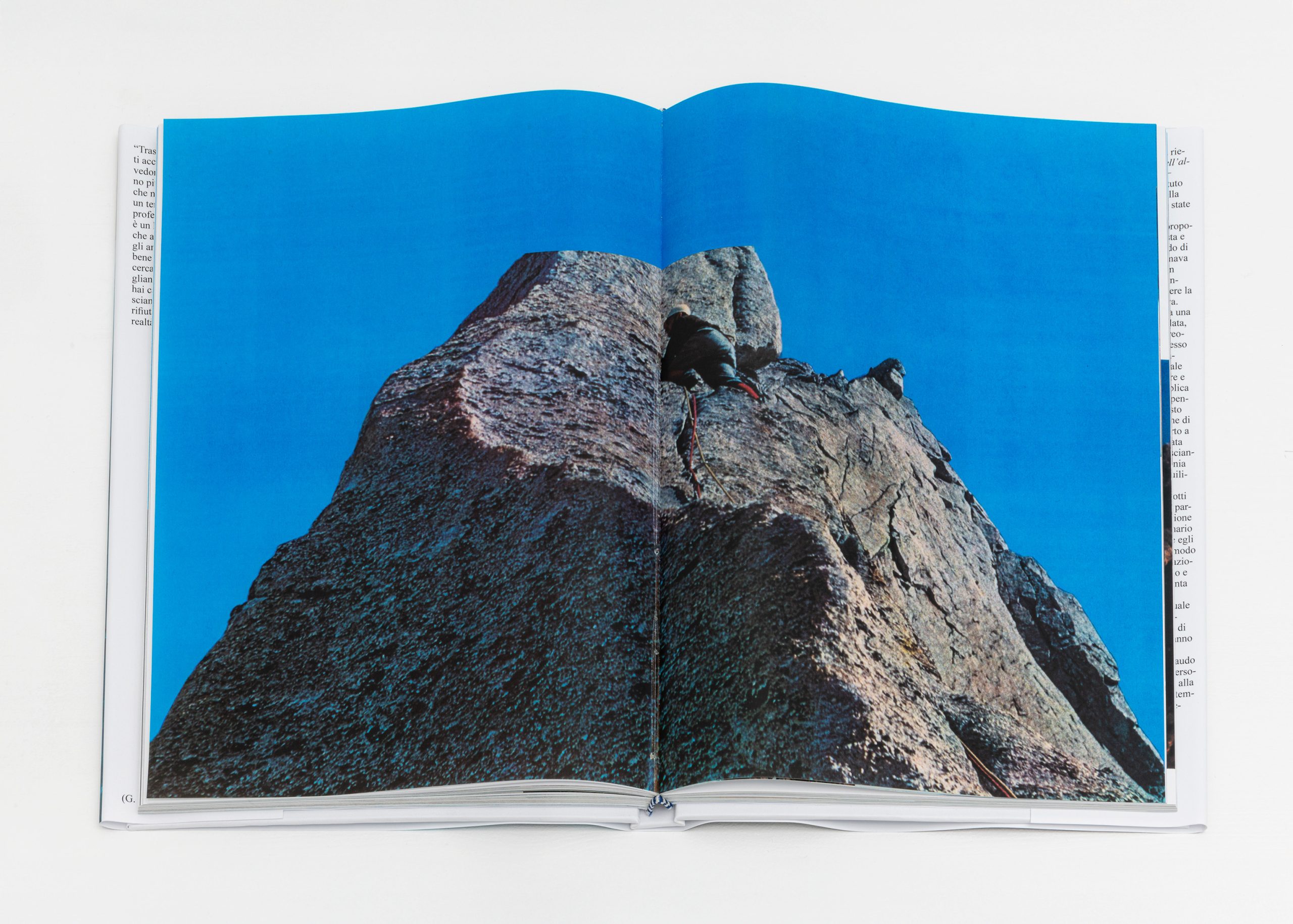
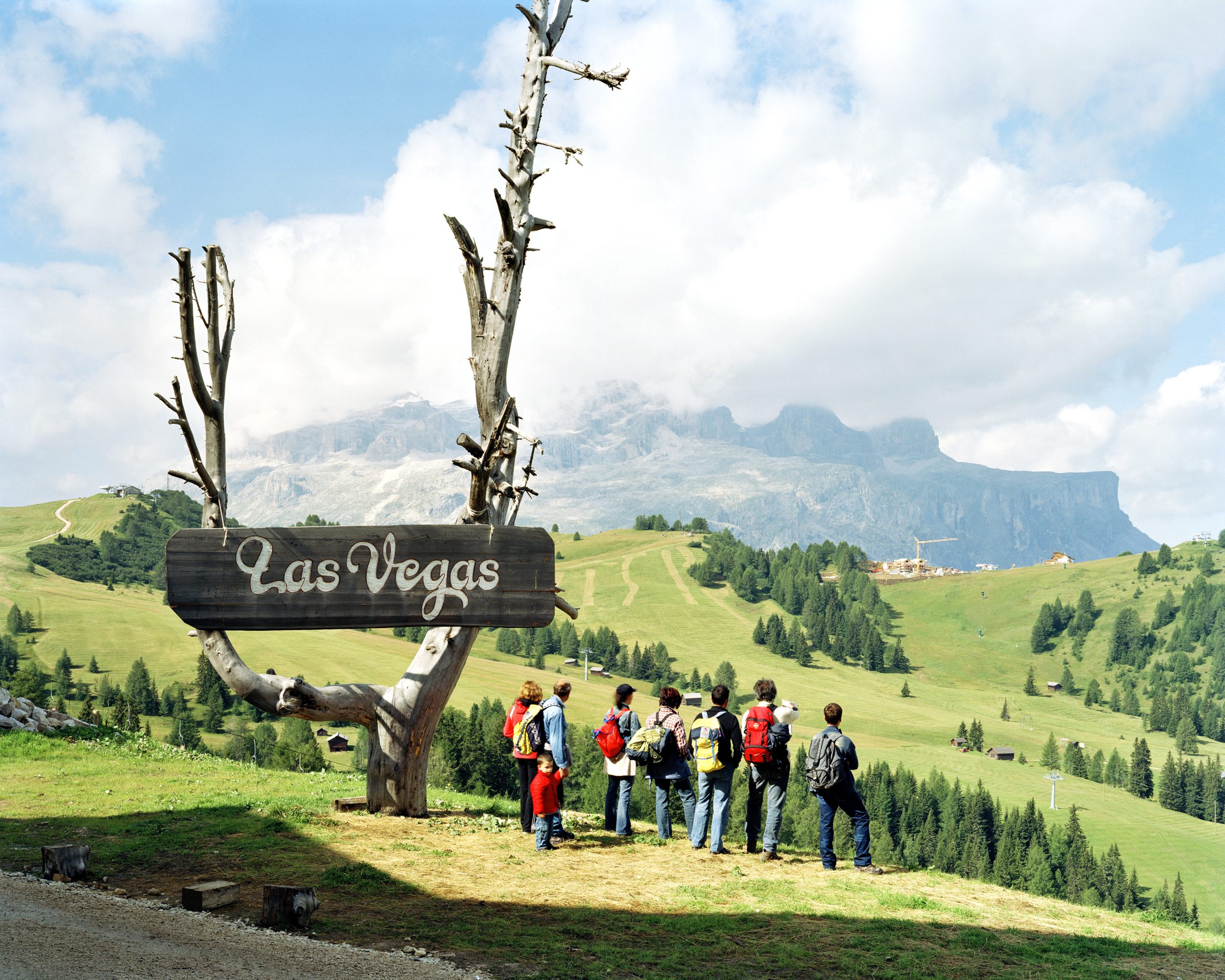
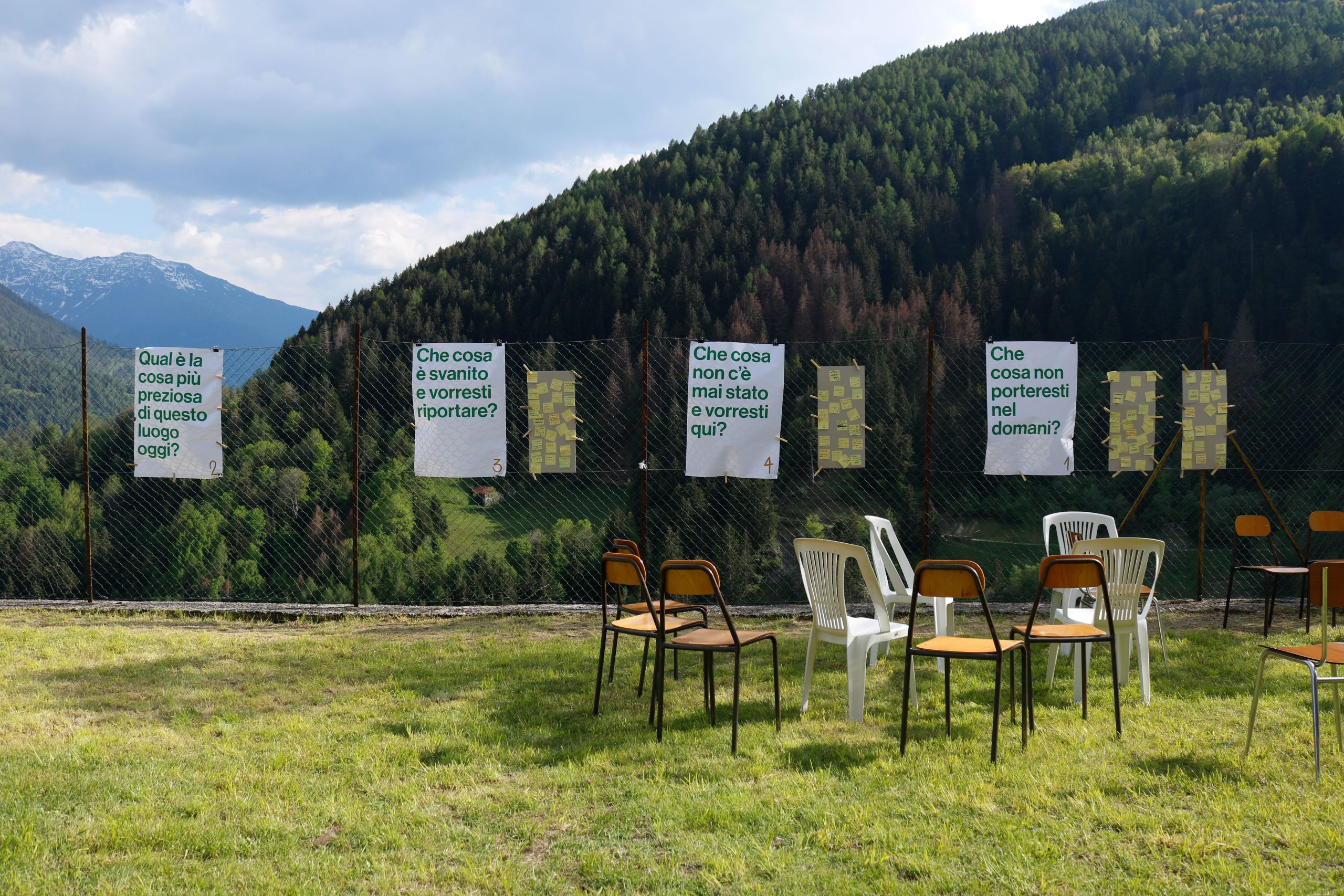
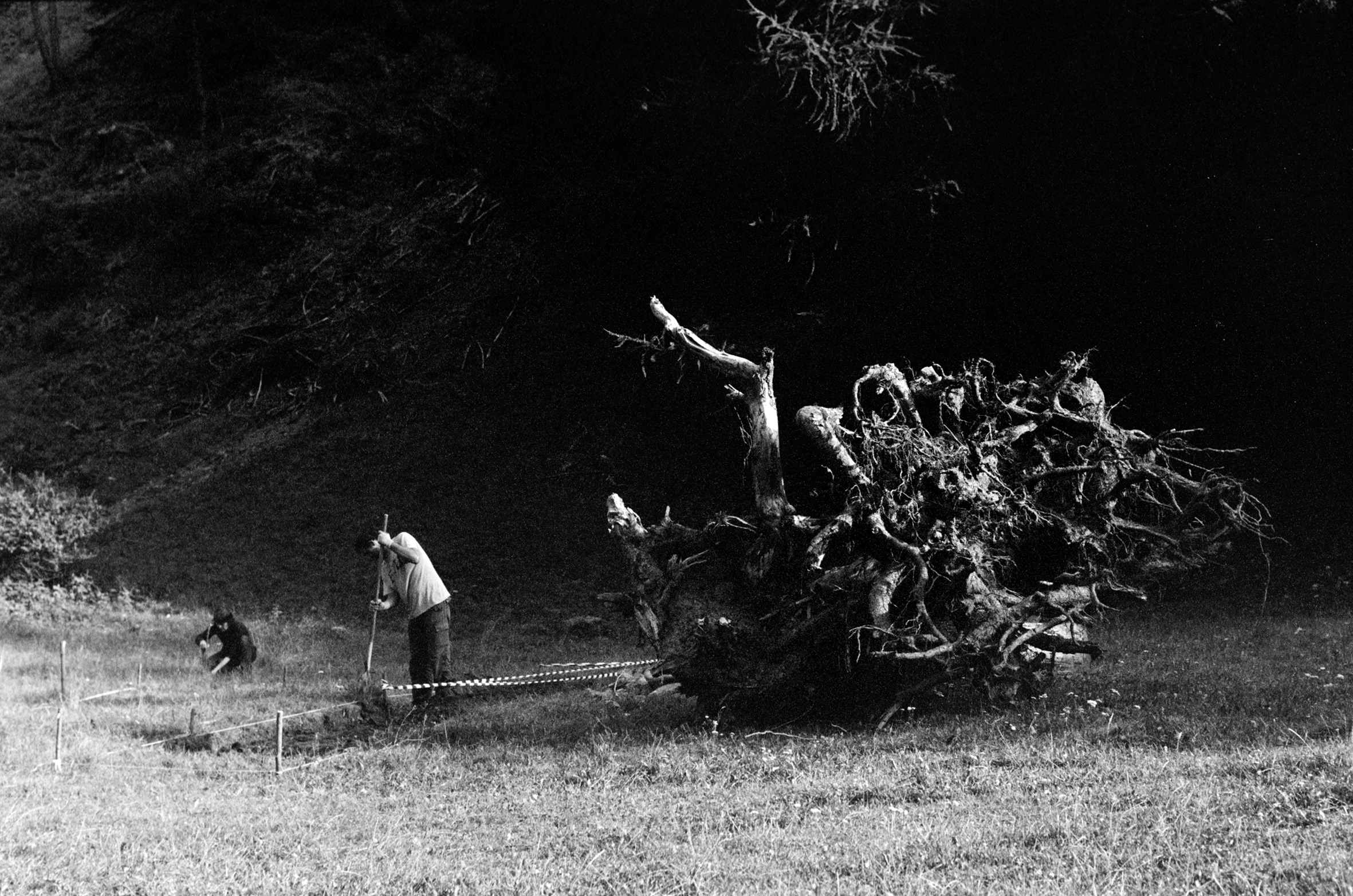
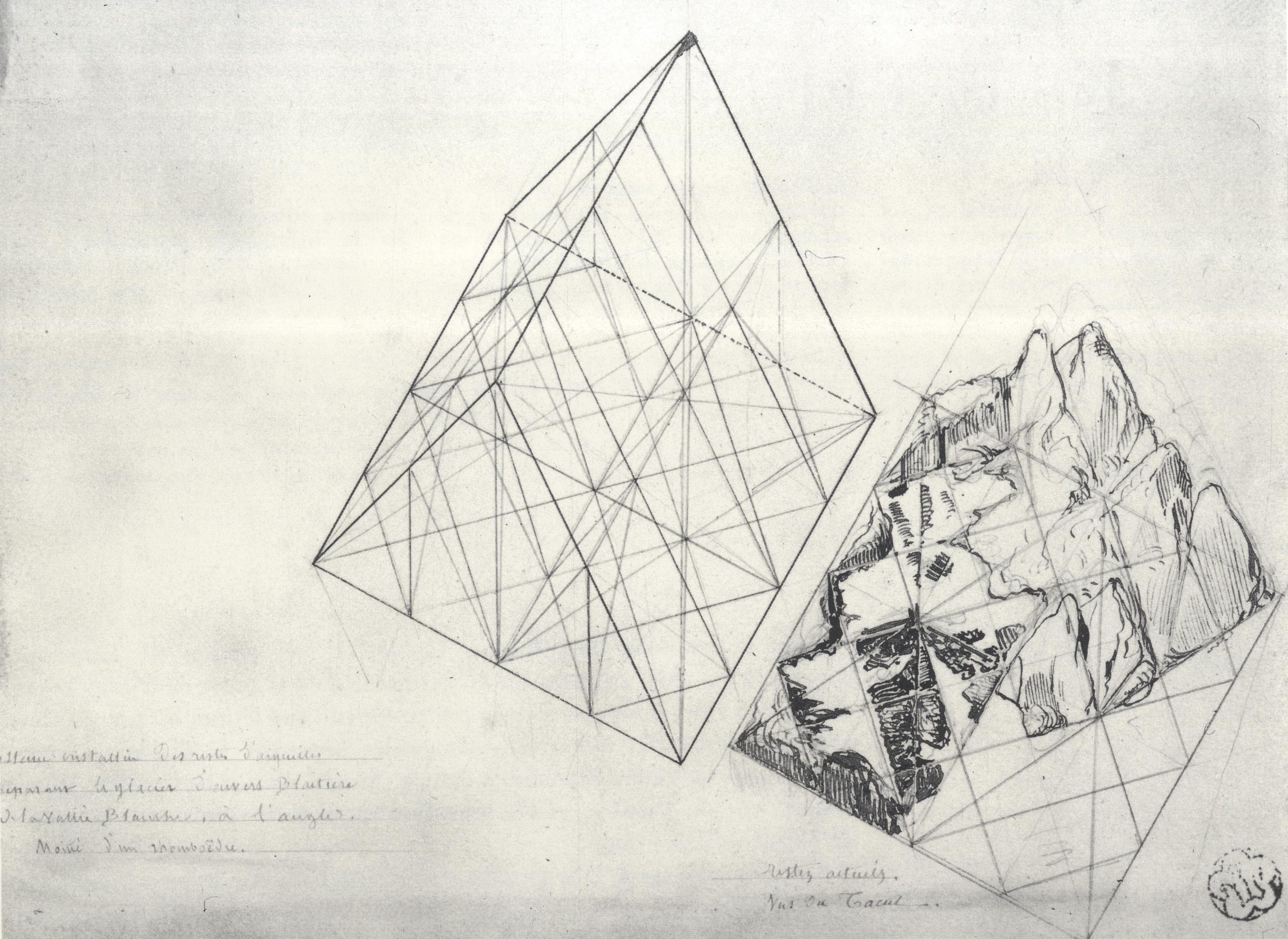
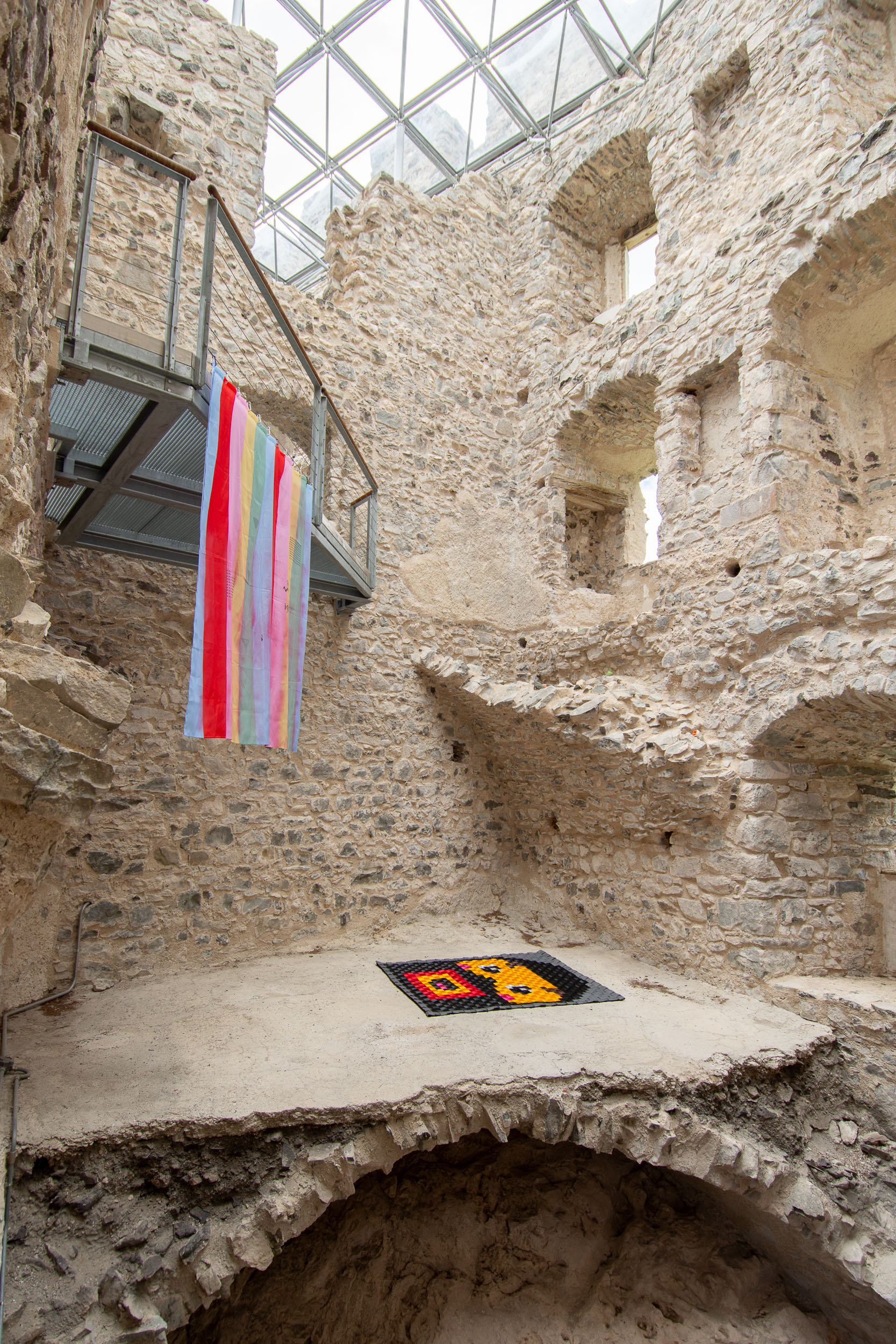
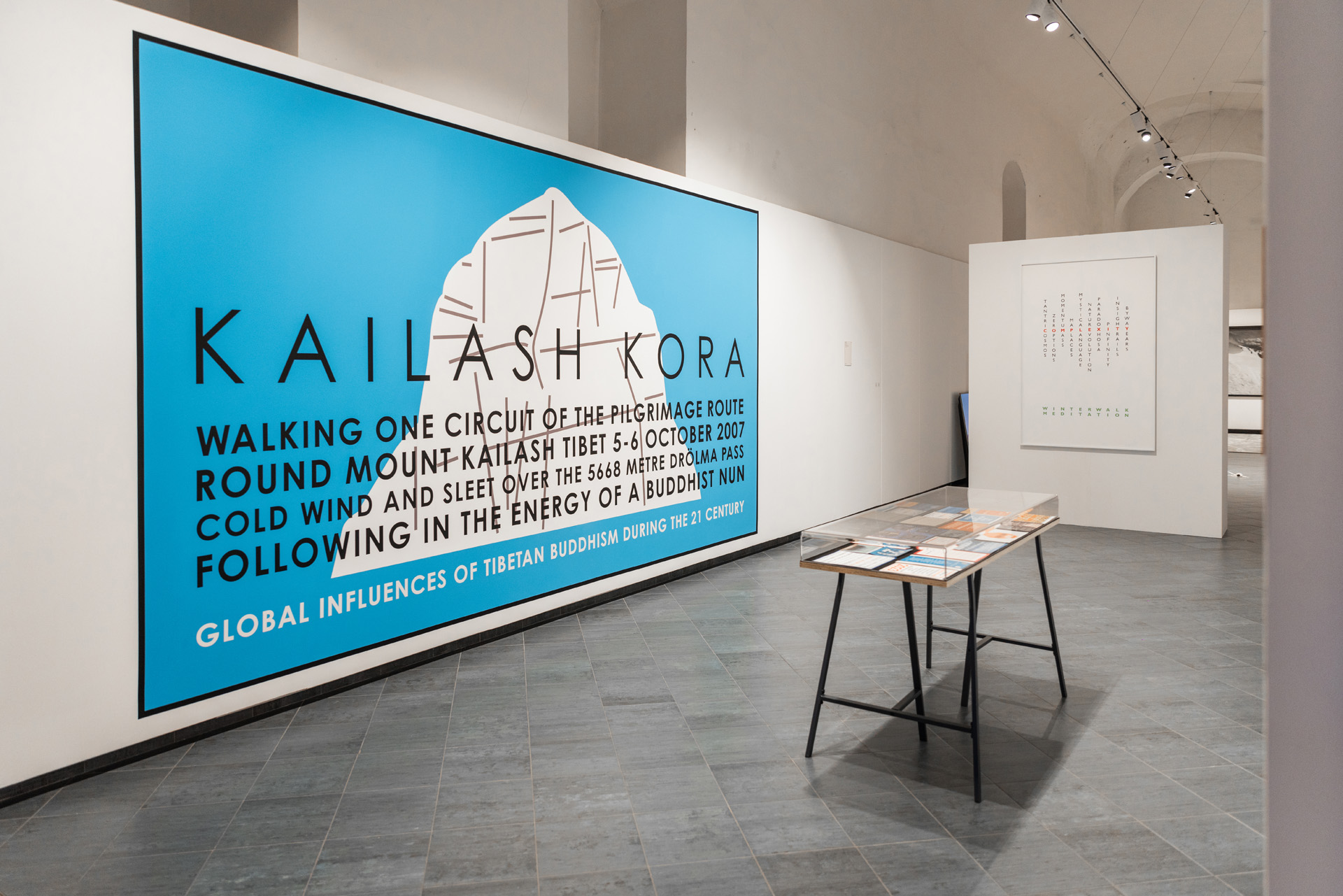
The relationship between art and the Alpine environment has never been a mere aesthetic exercise but rather a cognitive act, a way of understanding and redefining the very meaning of mountain spaces. Since the eighteenth century, when scientists and artists ventured together into the unknown peaks, visual representations of mountains have become a cultural construction and a tool for investigating the form of the world. Today, in an era marked by climate crisis and landscape transformation, this interaction is being renewed: The mountains have once again become a laboratory of experimentation, a place where artistic research opens new meanings, subverts clichés, and restores depth to territories that are often reduced to icons of consumption and tourism. Through narratives, practices and experiences, this issue of ArchAlp explores the multiple ways in which contemporary art engages with the Alpine space, reconstructing its symbolic and material geographies and helping imagine new ways of inhabiting and thinking of mountains.