


On 9 October 1963, almost two thousand people lost their lives, crushed by a gigantic wave of water and mud caused by a massive landslide that cascaded into the Vajont hydroelectric basin. More than sixty years later, the Vajont disaster remains one of the most serious environmental catastrophes caused by human activity.
CALAMITA/À (2013–ongoing) is an artistic research project with an interdisciplinary approach. Its name evokes two interdependent meanings: the Italian word calamita means ‘magnet’, referring to something highly attractive, while calamità, or ‘calamity’ in English, alludes to the tragic dimension of catastrophic events.
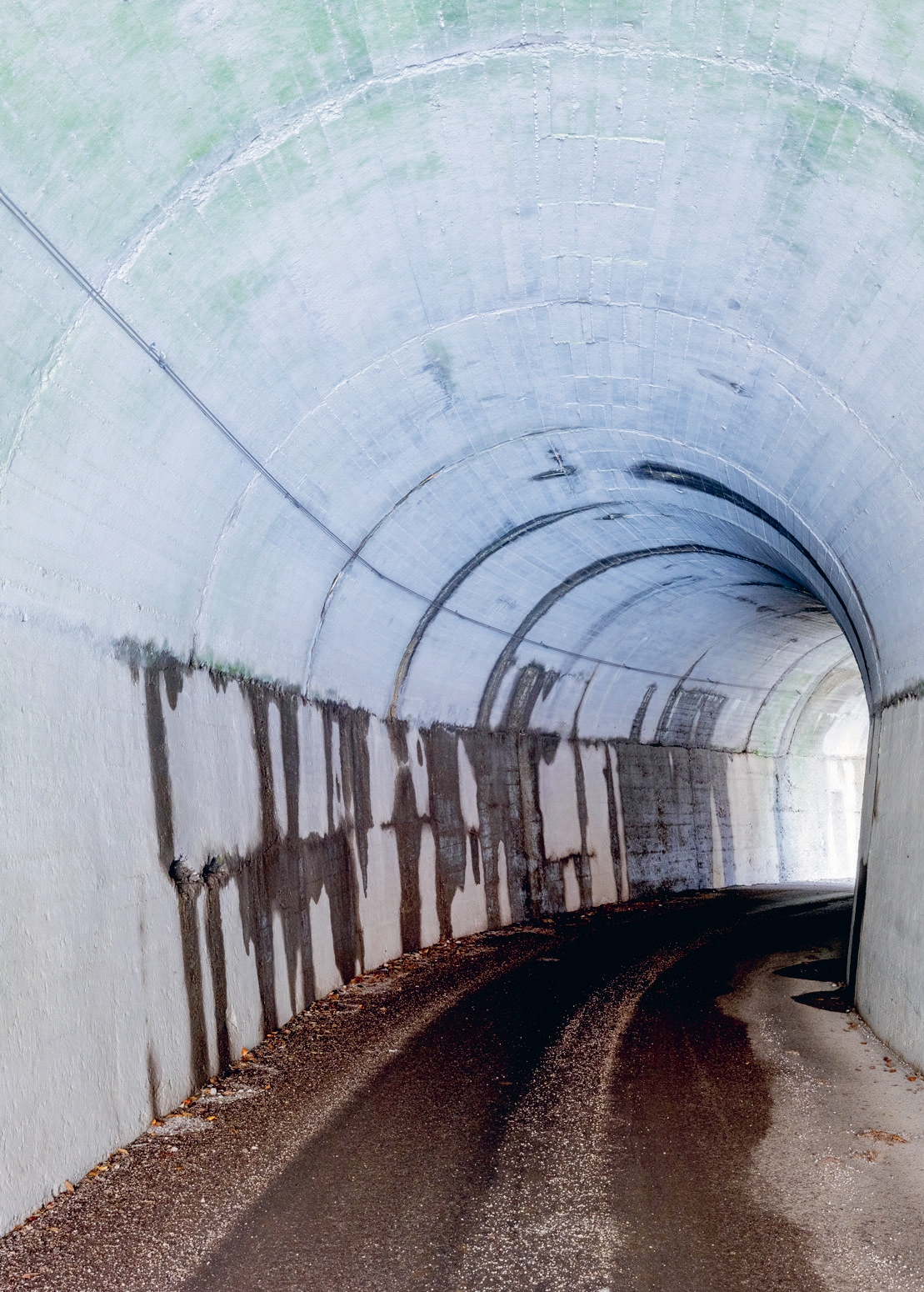
The project stems from an interest in the Vajont catastrophe and involves a large group of artists, with six participating photographers in the final phase. In a contemporary world where catastrophes flow seamlessly together, this project explores the geographical and cultural territories of Vajont to investigate a fundamental question: how can we perceive an approaching catastrophe?