

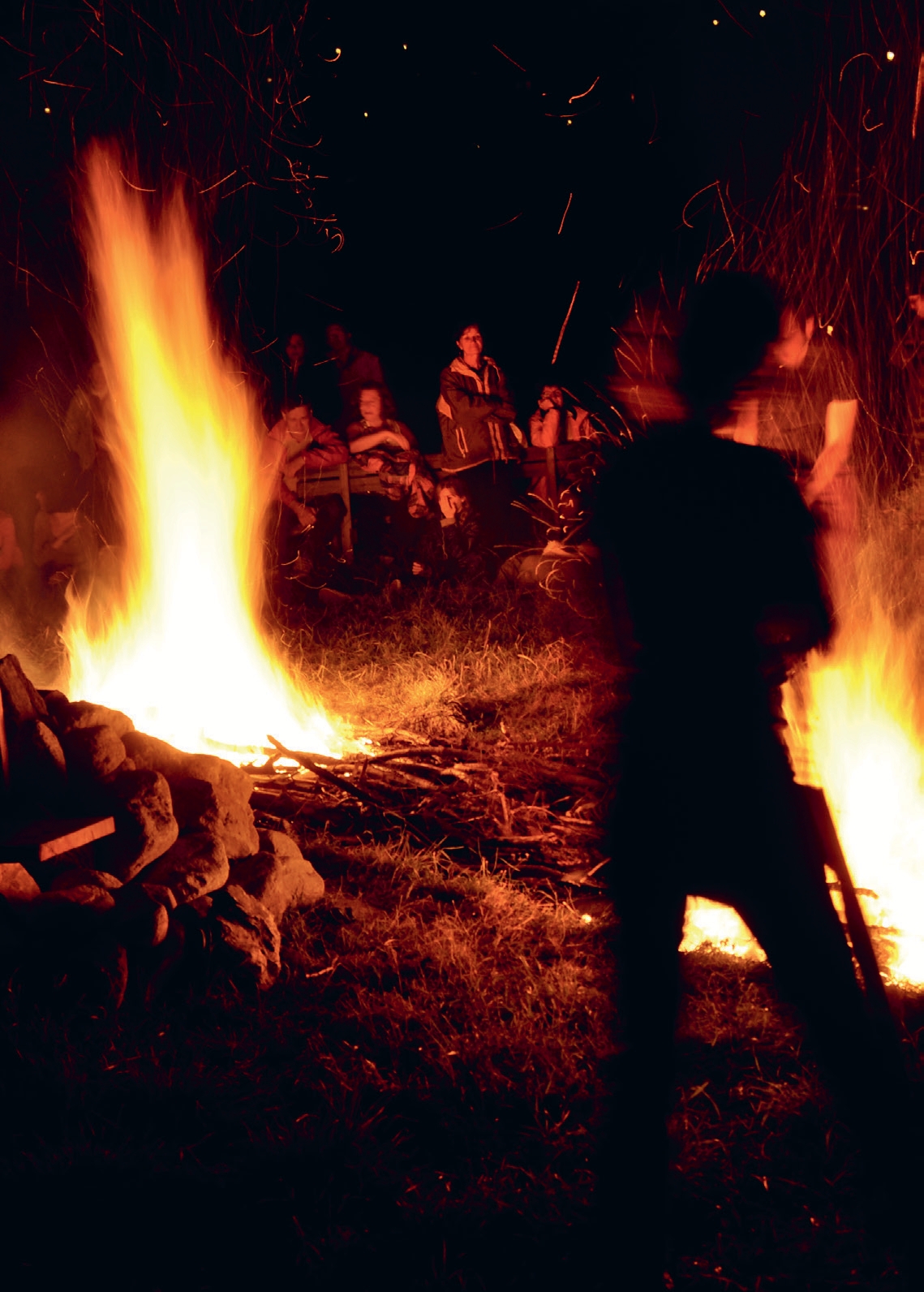
In this essay, the mountain is presented as a place where the relationship between body and world can be recomposed. Slope and gravity restore physicality; the body regains weight, measures effort, and reveals the link between action and limit. Everyday gestures – walking, gathering wood, building shelter – become ways of rediscovering interdependence between humans, resources, and the environment.
Mountains are not inert matter but reservoirs of energy, accumulated over millions of years and released through rivers, glaciers, landslides, and sediments that nourish the plains. Each urban structure corresponds to a void elsewhere – quarries, mines, cut forests – reminding us of the continuity between mountain and city.
They also embody deep time, preserving memories of vanished landscapes and processes beyond human scale. They confront us with transience, stripping away illusions of centrality. Here, time can also contract into sudden accelerations: extreme hydrogeological events reshape landscapes in an instant. Mountains are not only sensitive archives but privileged witnesses of climate change – glaciers retreat, slopes shift, floods erase geographies – and what happens at altitude inevitably flows downstream.
Conceived as subjects, mountains and their elements carry ancient knowledge and distributed intelligences. They communicate through flows, forms, invisible tensions. Practices of walking, observing, touching, and listening become mediations with these forces. Within this framework, art translates and interprets, opening dialogue with other bodies and times. It becomes an exercise in attention, rethinking our place in the world and exploring new forms of coexistence.